



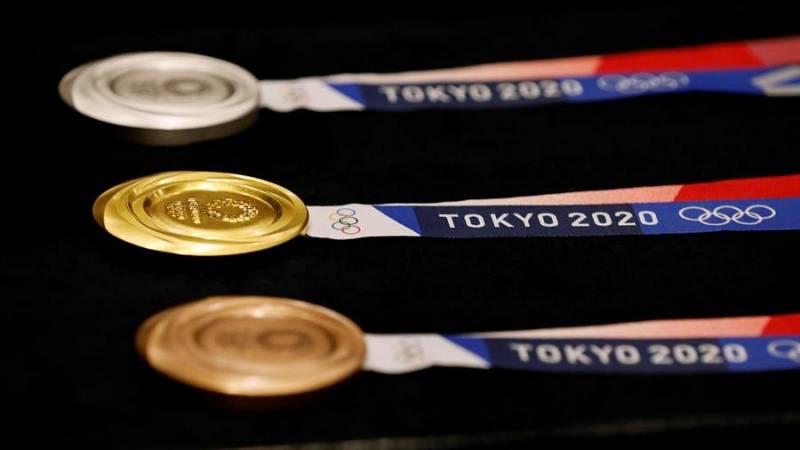
When an athlete wins an Olympic medal, he does not think about the taxes he will have to pay to the Tax Agency.
The reward for Spanish sportsmen and women is fixed by the Consejo Superior de Deportes and the Spanish Olympic Committee. These figures, which have not changed since the 2008 Beijing Olympics, vary according to the sport (individual, doubles or team).
– Individual gold medals carry a prize of 94,000 euros; silver medals 48,000 euros and bronze medals 30,000 euros.
– For medals won in partner sports the figures are as follows: for gold it is 75,000 euros, for silver 37,000 euros and 25,000 euros for bronze.
– Finally, the medals in team sports: 50,000 euros for gold, 29,000 euros for silver and 18,000 euros for bronze.
To these prizes must be added access to certain scholarships, such as those of the ADO Plan, which can also represent an important economic support for sportsmen and women.
But, how are Spanish Olympic athletes taxed?
Financial aid for training and technical sports that meet the following requirements will be exempt, up to a limit of 60,100 euros per year:
– The beneficiaries must be recognized as top-level sportsmen and sportswomen.
– That they are financed, directly or indirectly, by the Consejo Superior de Deportes, by the Olympic Sports Association, by the Spanish Olympic Committee or by the Spanish Paralympic Committee.
These official aids will be added to the medal prize, being taxed as income that is integrated in the general taxable base of the IRPF.
Some tax experts think that this system should be modified.
The life of an athlete is short and his or her earnings are concentrated in a short period of activity. This raises the progressivity in their personal income tax, causing the tax burden they bear to be higher than it would have been if the same income could be distributed over a greater number of years.